


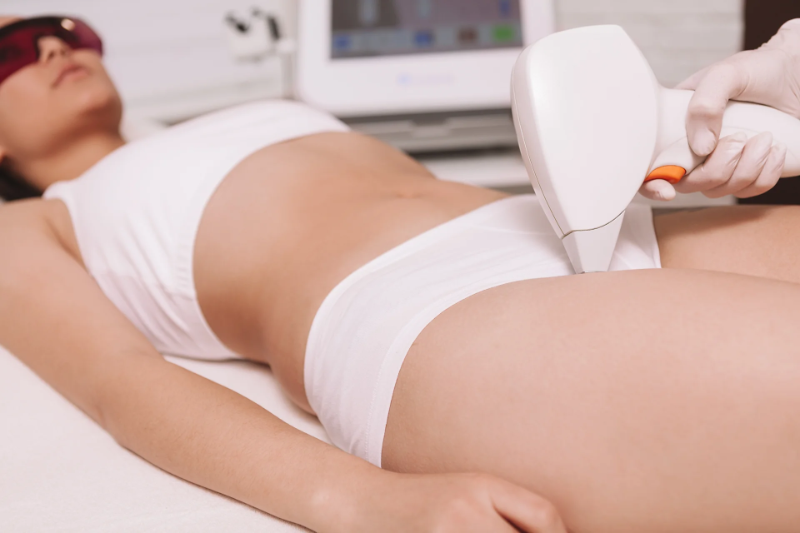

Laser procedures during winter are often planned for periods when the skin is exposed to less sunlight. Reduced sun exposure may make it easier to protect the skin after procedures such as laser hair removal. Laser hair removal aims to provide a long-term reduction in unwanted hair, and winter may be a more convenient period for some people because sun exposure and tanning are generally easier to limit.
When the skin is not tanned, the contrast between the natural skin tone and the hair may be more suitable for certain laser technologies. This may help the device target the pigment in the hair more selectively. However, the response still depends on the person’s skin tone, hair colour, hair thickness, treatment area and the device used. These factors should be evaluated individually at an Ankara laser center.
Winter may also make aftercare easier for people who spend less time outdoors. However, cold weather does not automatically reduce redness or sensitivity. Low humidity, wind and heated indoor environments may dry or irritate the skin. The level of comfort after treatment therefore varies according to the skin and the intensity of the procedure.
Advantages of Ankara Laser Centers
Different laser centers in Ankara offer various devices and treatment protocols. When selecting an Ankara laser center, the practitioner’s training, experience, the suitability of the device and the hygiene conditions should be evaluated. An individual treatment plan may be prepared according to the person’s skin and hair characteristics.
Different laser technologies may be selected according to natural skin tone, hair colour and treatment area. However, no single device is the most effective option for every person. A detailed assessment before treatment helps determine suitable settings and identify possible risks.
Information should be provided about preparation, aftercare and possible side effects. The quality of the follow-up process is also important. Winter may be a practical period for laser hair removal, but the suitability of the center and the treatment plan should be assessed independently of the season.
Benefits of Laser Treatment During Winter
One possible advantage of winter treatment is that intense sun exposure may be easier to avoid. This may help reduce the risk of unwanted pigment changes after certain laser procedures. However, winter does not guarantee faster recovery or more permanent results.
The absence of active tanning may be beneficial for certain laser hair removal devices. This may allow treatment settings to be selected more appropriately. Nevertheless, treatment effectiveness depends on the device, skin tone, hair structure, hormonal factors and adherence to the session plan.
The risk of redness, swelling or sensitivity is not automatically lower during winter. These reactions may still occur and may last for different periods. Cold or dry weather may also increase skin-barrier sensitivity, making suitable moisturising and gentle skincare important.
Importance of Winter Months in Laser Treatment
Winter may be preferred for laser procedures because sun exposure is generally lower and protective clothing covers more of the treated skin. These conditions may make aftercare easier. However, cold weather itself does not make the skin more resistant to the possible side effects of laser treatment.
Reduced sunlight may help lower the risk of post-treatment pigment darkening when sun protection is followed. It does not completely prevent pigmentation problems or guarantee a healthier or more radiant skin appearance. Broad-spectrum sunscreen may still be necessary during winter.
Some people may find it easier to plan laser hair removal during winter, particularly when the treatment area can be kept away from sunlight. However, winter treatment should not be described as an ideal or risk-free solution for everyone.
Laser Centers in Ankara and the Services They Offer
Laser centers in Ankara may offer laser hair removal as well as various skincare and dermatological procedures. The exact services, devices and practitioner qualifications differ between centers. Every procedure should be evaluated according to its purpose and the person’s individual needs.
Some centers may provide laser procedures for skin texture, pigmentation concerns or acne-related conditions. However, not every center offers medical treatment, and not every laser technology is suitable for every concern. The professional qualifications of the practitioner and the legal scope of the center should be reviewed.
Consultation before and follow-up after treatment may help the person understand the process, possible limitations and aftercare requirements. A client-focused approach may improve communication, but it does not guarantee a particular result.
Points to Consider for Laser Treatment During Winter
Even during winter, the skin should be protected from intense sunlight before treatment. Active tanning or recent sun exposure may affect the settings that can be used and may increase the risk of burns or pigment changes. The practitioner should be informed about recent sun exposure and tanning.
A moisturiser suitable for the skin type may be used when recommended. Supporting the skin barrier may help reduce dryness and discomfort, but moisturising does not guarantee faster recovery or longer-lasting results. Strong or irritating products may need to be temporarily restricted.
The person should receive instructions that are appropriate for the device and treatment area. Following aftercare recommendations may help the process progress more carefully. However, the degree of improvement and possible side effects vary between individuals.
The Most Suitable Times for Laser Treatment During Winter
There is no single winter month that is most suitable for everyone. December and January may be convenient because daylight hours are shorter and many treatment areas remain covered. However, the most appropriate time depends on the person’s lifestyle, travel plans, skin condition and ability to follow aftercare.
The absence of tanning may make certain treatments easier to plan, but it does not guarantee greater effectiveness. Natural skin tone, hair colour, treatment area and the selected device remain important factors.
A suitable schedule may be determined after evaluating the person’s skin, hair-growth cycle and daily routine. Treatment success cannot be guaranteed solely by choosing a particular month.
Frequently Asked Questions About Laser Treatment
Does laser hair removal hurt?
The level of discomfort varies according to the device, treatment area, settings and individual pain threshold. Cooling systems may help reduce the sensation of heat or stinging. However, laser hair removal cannot be described as completely painless or minimally painful for everyone.
Does laser treatment leave marks on the skin?
Permanent marks are not expected after correctly planned procedures, but the risk is not completely absent. Temporary redness, swelling and sensitivity may occur. Burns, pigment changes or scarring may also develop in rare cases, particularly when unsuitable settings are used or aftercare instructions are not followed.
Is laser hair removal permanent?
Laser hair removal aims to provide a long-term reduction in hair growth. It does not guarantee the permanent removal of every hair. Hormonal changes, individual hair-growth patterns and other factors may cause some hair to grow again, and maintenance sessions may be required.
Am I a suitable candidate for laser treatment?
Suitability depends on natural skin tone, hair colour and thickness, the treatment area, current medication, health history and the device being used. Laser hair removal is not automatically suitable for every skin and hair type. An individual assessment should be performed before preparing a treatment plan.
 Call
Call
 Whatsapp