


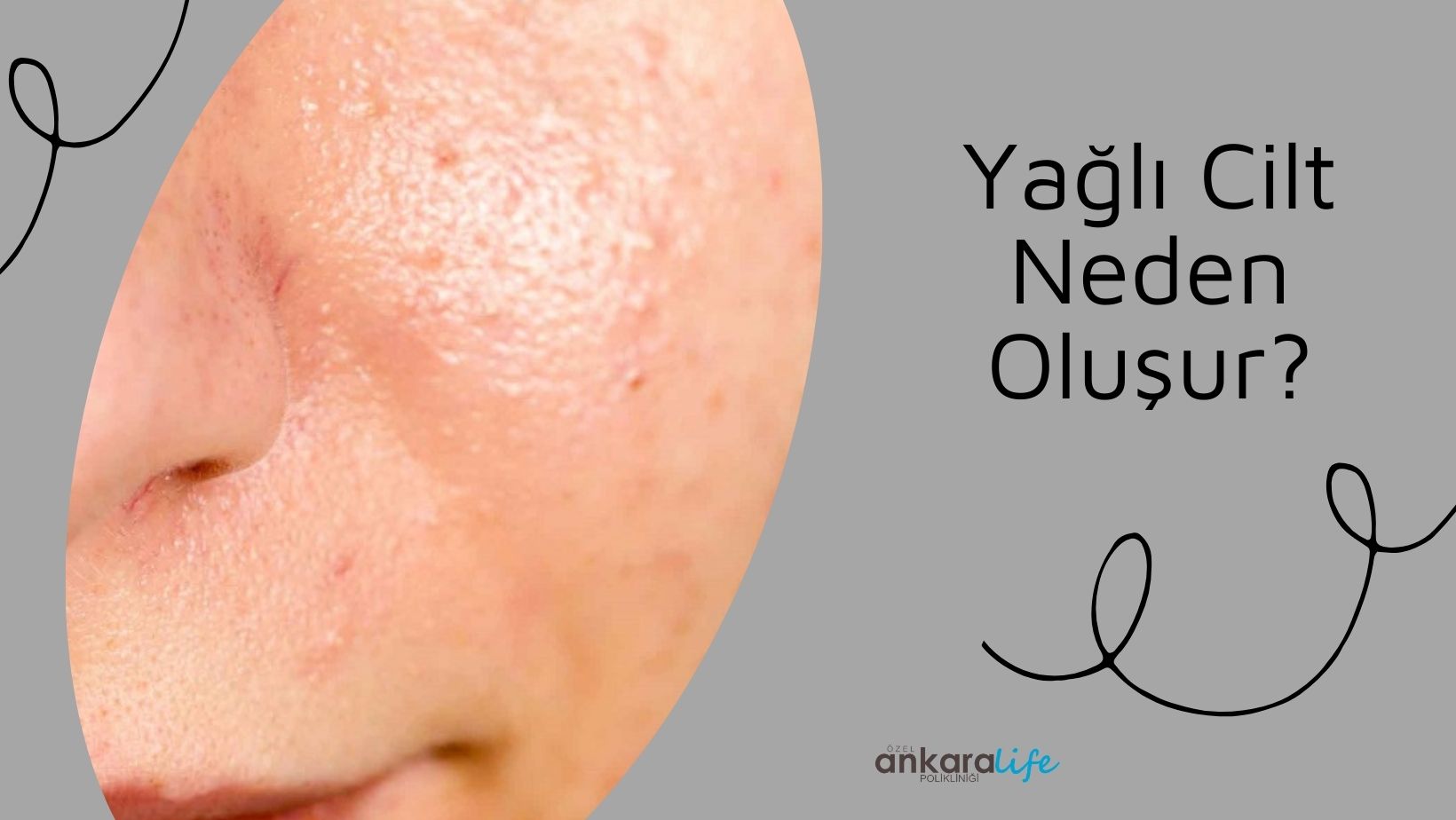

Oily skin occurs due to the overworking of the sebaceous glands, which are necessary for the top layer of the skin to be healthy. Especially with the increase in hormones with puberty, the sebaceous glands that are sensitive to hormones work very hard. Too much oil gives the skin an oily appearance. At the same time, oily skin has increased pores and therefore a coarsened appearance appears on the skin.
The most common problem in oily skin is recurrent acne.
Most cases have an oily T-zone and a dry U-zone, so common acne products increase dryness and discomfort while reducing sebum. One hour after cosmetic or topical application, there are complaints of burning and itching. Allergy to cosmetics is common in these cases. Superficial chemical peels are especially useful for oily skin with acne, as glycolic acid and salicylic acid reduce oil production.
Botulinum toxin is a new treatment option for reducing excessive oil production and shrinking enlarged pores. He reported that with Botulinum toxin application, oil production decreased by 80%. Isotretinoin, that is, roaccutane, acnerent and similar vitamin A derivatives drugs reduce the volume of the sebaceous glands. It works great for oily skin. During these treatments, adequate moisturizing of the skin is required. In a similar way, oral contraceptives, namely birth control pills, reduce lubrication by reducing androgens. Reducing or eliminating skin bacteria may be considered with benzoyl peroxide or other antimicrobials.
Trigger foods and beverages, tomatoes, acidic fruits, wine, hot coffee or tea have a negative effect on some patients. Therefore, it is recommended to stay away from these foods in daily life.
 Call
Call
 Whatsapp