


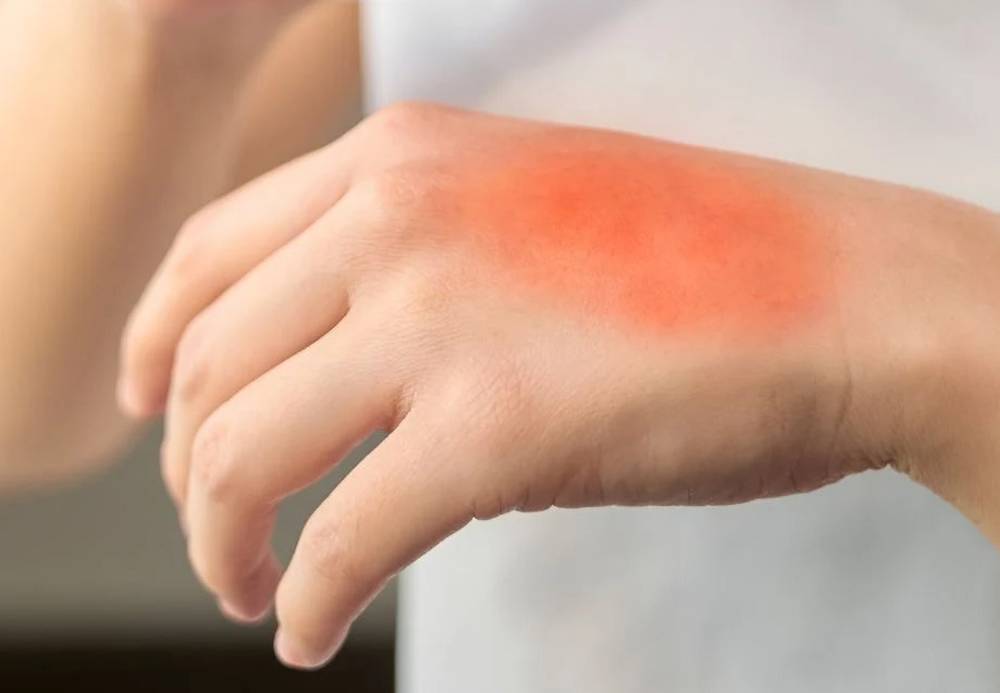

A first-degree burn is caused by damage to only the outermost layer of the skin, the epidermis. In this type of burn, the skin becomes red, slightly swollen, and painful, but there is no deep tissue damage. Sunburn is one of the most common first-degree burns.
In mild first-degree burns, there is no permanent damage to the skin and healing usually occurs within 3-5 days. However, first-degree burns should not be neglected and should be treated appropriately. Otherwise, more serious infections and complications can develop.
First-degree burn symptoms
First-degree burn symptoms usually include:
Redness
Mild swelling
Pain or discomfort
Peeling or crusting of the skin
These symptoms usually appear within a few hours and heal within a few days. However, in some cases, they may last longer due to the risk of infection.
To determine the degree of the burn, the appearance and symptoms of the burn should be carefully evaluated. If in doubt, it is best to consult a healthcare professional.
How is a first-degree burn treated?
Most first-degree burns can be treated with simple home treatments. The following steps can help treat first-degree burns:
Rinse immediately with cold water: Holding the burn under cold water immediately helps reduce pain and swelling.
Keeping the burned area moist: Covering the burned area with a damp cloth or bandage can speed healing.
Taking painkillers: Painkillers such as acetaminophen or ibuprofen can reduce pain and discomfort.
Applying moisturizers: Applying moisturizing cream or lotion to the burned area can help prevent the skin from drying out.
Sun protection: Protecting the burned area from sunlight can speed healing.
If symptoms persist within 3-5 days or worsen, seek medical attention immediately.
Do first-degree burns leave scars?
Most first-degree burns heal without leaving permanent scars. However, in some cases, first-degree burns can leave a slight scar.
Factors such as the severity of the burn, the person's skin type, and the healing process can affect how quickly scars form. For example, sunburns can often leave more permanent scars.
In addition, if the burn area develops an infection or is treated incorrectly, the risk of scarring may increase. Therefore, it is important to treat 1st degree burns appropriately.
If a 1st degree burn scar occurs, these scars usually fade over time or become very invisible. However, in some cases, permanent scarring may occur.
1st degree burn scar treatment
If a 1st degree burn scar occurs, there are several treatment options available:
Moisturizing creams: Regularly applying a moisturizing cream or lotion to the burned area can help fade the scar.
Barrier creams: Cicatrizants or barrier creams can help make the scar less visible.
Laser treatment: In some cases, laser treatment can improve the appearance of scars.
Cosmetic products: Concealer makeup products or color-correcting creams can hide the appearance of scars.
If the scar bothers you, it is recommended that you consult a dermatologist. A specialist physician can recommend the most appropriate treatment option for you.
In summary, 1st degree burns usually heal without leaving permanent scars, but in some cases, mild scars may occur. These scars can be reduced or eliminated with various treatment options.
 Call
Call
 Whatsapp