



The laser hair removal method is based on targeting pigmented hairs. The laser light focuses on the pigment in the hair roots and creates heat, thus damaging the hair root. This process prevents the hair from growing back. Laser hair removal can be applied to various parts of the body and provides effective results especially in areas such as legs, arms, bikini area and face.
The laser hair removal procedure is performed by an experienced specialist. Before the application, the condition of the skin and hair is evaluated and the appropriate laser type is selected. Then, the laser light is directed to the hair roots and the procedure is completed. Laser hair removal usually requires several sessions, and each session can last approximately 15-30 minutes.
How Long Does the Effect of Laser Hair Removal Last?
The effectiveness and permanence of laser hair removal depend on factors such as the person's skin structure, hair color and density. Generally, after laser hair removal, hair growth decreases significantly and the hair becomes thinner and sparser. However, an application process of 4-6 sessions is usually required for the hair to be completely removed.
The effects of laser hair removal may vary from person to person. While some people lose hair for a long time, others may start to grow back after a shorter period of time. Therefore, regular check-ups and follow-ups are important. In addition, factors such as hormonal changes, age or health status can also cause hair to grow back.
After laser hair removal, it is important to apply regular care and maintenance recommendations to prevent hair from growing back. In line with expert advice, additional sessions may be performed when necessary or different methods may be tried to achieve the desired results.
Pregnancy and Laser Hair Removal
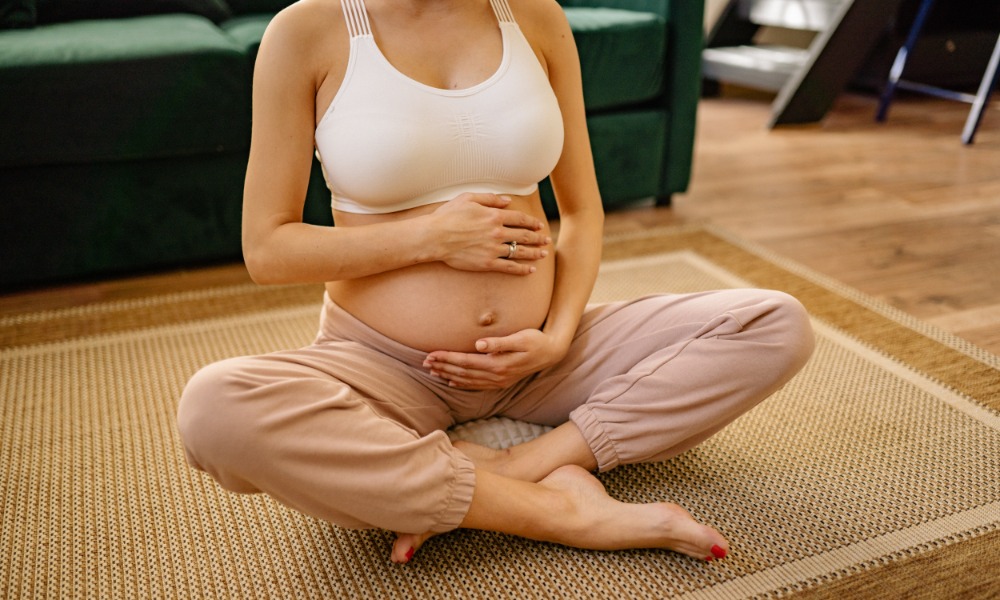
During pregnancy, hair growth on the body may increase due to hormonal changes. This may be more noticeable especially in areas such as the face, legs and bikini area. Laser hair removal during pregnancy may carry potential risks for both the mother and the baby.
Since the effects of laser rays on the baby are not fully known, laser hair removal is generally not recommended during pregnancy. Instead, it is a safer approach to postpone it until after pregnancy and get a doctor's approval.
Regrowth of hair is a normal condition during pregnancy. During this period, alternative methods can be used for hair management. For example, regular shaving of body hair, waxing or epilation can be preferred. However, the effects of these methods on the skin during pregnancy should be taken into consideration.
After pregnancy, laser hair removal can be applied after the condition of the body hair is evaluated. However, it is important to get a doctor's advice on this issue due to the possible effects of laser hair removal on the baby during the breastfeeding period.
Does Hair Grow Back After Laser During Pregnancy?
It is possible for hair to grow back during pregnancy after laser hair removal. The main reason for this is the hormonal changes that occur during pregnancy.
During pregnancy, the increase in estrogen and progesterone levels in the body can encourage hair growth. This can cause hair to grow back even after laser hair removal. Hair growth can become more noticeable, especially in areas such as the face, legs and bikini area.
The results of laser hair removal may vary from person to person. In some women, hair decreases over a long period of time, while in others it may start to grow back after a shorter period of time. Therefore, it is quite normal for hair to grow back during pregnancy.
After pregnancy, the condition of the hair can be re-evaluated and if necessary, laser hair removal can be repeated. However, due to the possible effects of laser epilation on the baby during breastfeeding, it is important to get a doctor's advice on this matter.
 Call
Call
 Whatsapp