


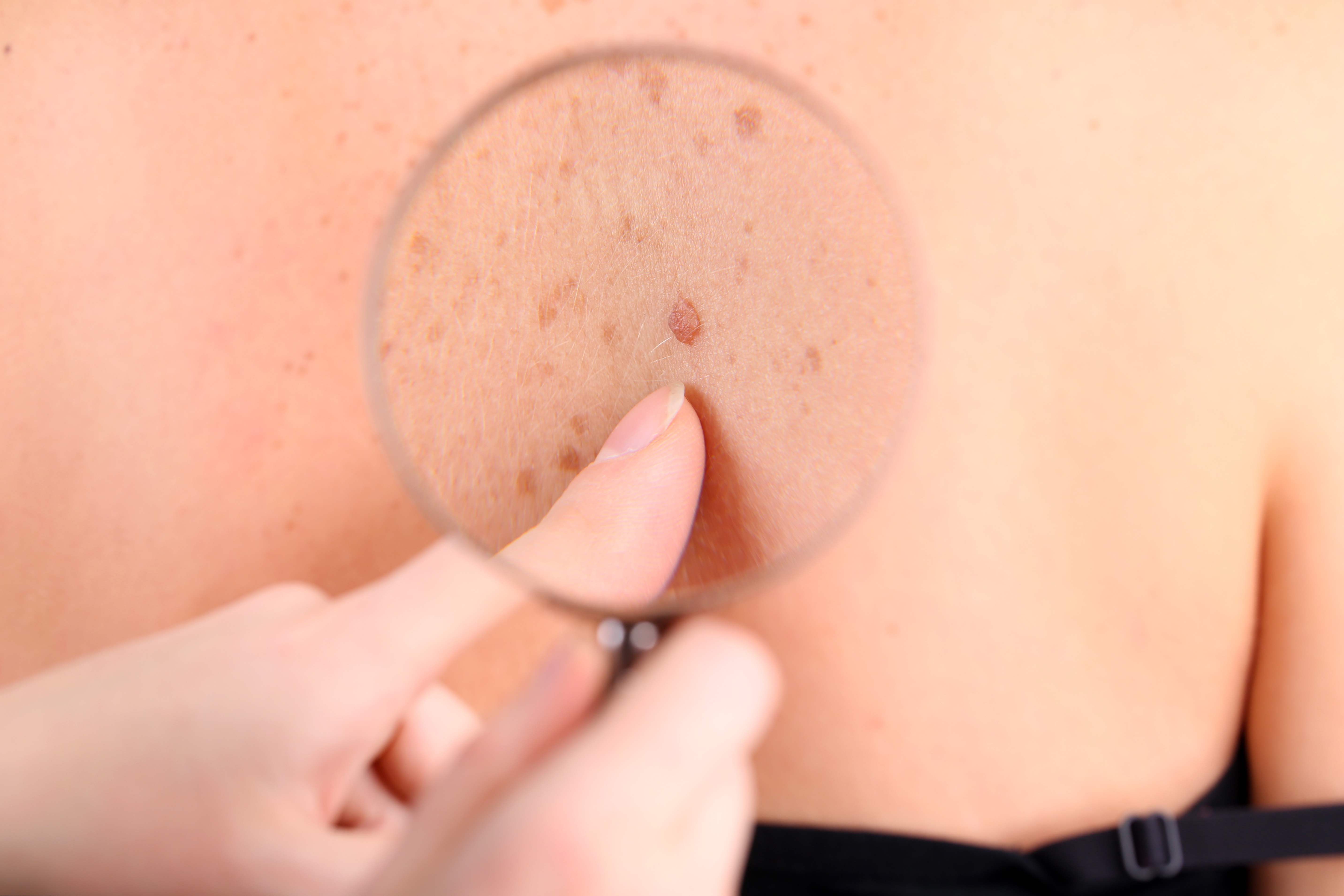

The spots on the skin, defined as port wine stains, are generally seen in five percent of newborn babies. These spots, known as capillary malformation or nevus flammeus, are seen from birth. The pink or red spots are at the skin level with their purplish color. Port wine stains on the skin, which can be seen in any area of the mucosal and skin surfaces, are mostly located on the face. These spots, which vary in size, can be seen in a very small area or can spread to cover half of the body. Port wine stains grow in proportion to the growth of the child. Their colors may darken over the years. Or the slightly thickened spots may appear on the skin with a raised halo.
Syndromes Accompanying Wine Stains on the Skin
Port porter stains on the skin may occur as a single occurrence or may occur as a symptom of some syndromes. Sturge-Weber is among the most common syndromes accompanying these spots. A spot found on both sides of the eyelid and face may accompany neurological or eye diseases. Eye or neurological examinations may be necessary for wine port stains seen in these areas. Advanced diagnostic methods and examinations are required to detect this condition. By doing these, stains can be removed and the course of the diseases can be followed. In this case, port wine stain treatments can become complicated.
Laser Treatment for Wine Stains on the Skin
Laser treatments can be applied for port wine stains on the skin. Such stains may cause cosmetic problems in children who are still developing psychologically. It can create self-confidence problems. These spots do not regress on their own. They may even show lifelong permanent features. Treatments are necessary if they are in large and visible areas. Laser treatments stand out as the gold standard in the treatment of such vascular spots. Pulse dye laser system is especially important for wine stain treatment. With early treatment, satisfactory results can be achieved. Laser port wine stain treatment can be provided in multiple sessions at intervals of 3-6 weeks under general or local anesthesia. Starting treatment as early as possible will be a criterion that increases the success of treatment and will prevent negative effects on the child's psychology.
 Call
Call
 Whatsapp