


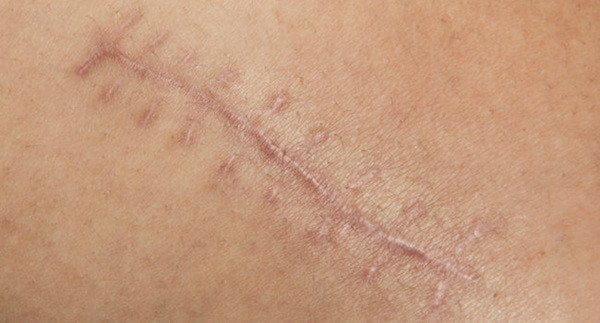

What is a Scar?
Scars are color changes or texture differences left behind after the healing process of damage to the skin. Each wound can leave different marks depending on the structure of the skin, the depth of the wound and the healing process as it heals.
The Type of Stain Determines the Treatment
While some scars are flat and brown on the skin, some may remain hollow or raised. Therefore, the treatment method should be shaped according to the type of stain.
Proper Moisturizing is a Must
Regularly moisturizing the skin during the healing period of the wound reduces the risk of scarring. Creams containing vitamin E, panthenol and hyaluronic acid in particular support this process.
Stain Lightening Products
Stain creams containing vitamin C, niacinamide and arbutin can be used for color changes that occur after the wound. These products help balance the skin tone.
Support with Professional Methods
For more pronounced scars, procedures such as chemical peeling, microneedling (dermaroller) or fractional laser can be preferred. These treatments stimulate skin renewal and reduce the appearance of the stain.
Protecting from the Sun is Important
Newly healed skin tissue is sensitive to the sun. Sun exposure can cause spots to darken. Therefore, even if the wound has healed, sunscreen with a high protection factor should be used.
Be Patient and Regular
It may take time for scars to fade. With the right products and regular care, the skin will regain a more even tone over time. However, dermatologist support may be required for deep scars.
 Call
Call
 Whatsapp